
What even is an otome game? What the hell are you even talking about, Allison?
I realized that not everyone has the knowledge I’ve been blessed (or cursed) with when it comes to this genre of game. Luckily for you dear reader, I’m dying to explain. You can refer to this article when it seems like I’m speaking in code.
These are my personal definitions, but I’m confident that most fans of the genre will agree with them!

Basic Terms
VN: Visual Novel. A kind of digital interactive fiction. They are most often referred to as a genre of video game. They consist of generally static images in the form of character sprites and CGs with narrative text displayed in a dialogue/text box at the bottom of the screen or over the images. Characters are usually voiced along with sound effects and music. These games have varying degrees of interactivity with possible mini games but the main interaction is clicking or pressing a button to keep the text, graphics, and sound moving akin to turning a page.

CG: Short for computer graphics. These are the special event images shown at key moments in the story. They are specially drawn for important events and are more detailed/varied. There’s often a gallery to view collected CGs. All stories and routes must be played through to collect all of the CGs. A special completion CG is then unlocked!

Otoge: Otome Game. Literally translated as “maiden game.” These are a subgenre of visual novels focused on a female main character being romantically involved with various male characters. The story and plot line will always follow along with developing a romantic relationship with a male character, with few exceptions.
Otoge Specific
MC: Main character. This is our heroine, and the main perspective that the story is told through. By definition of otome game, the main character is always a woman. Typically has her own name but it can be changed if desired. She is usually unvoiced. Some older otome games had the MC as a blank slate for the reader to self-insert. If she was shown in CGs, it was without eyes or any striking features. Luckily this has changed for the better with otome MCs becoming their own vibrant and varied characters (with faces!) even if they remain unvoiced.

LI: Love interest. They have their own dedicated romantic stories and routes. You’ll usually find each one on the cover and back of the box of a physical otome game. They are almost all exclusively male.

Route: These are the stories/narrative branches for each LI. They are focused on that character and the heroine’s relationship culminating with them falling in love.
Posterboy: Love Interest that is the focus of most of the marketing, art, and often plot of an otome game. Commonly but not always an unlockable and truth route.
Common Route: Beginning of the story where the setting, plot, and characters are introduced. There are either multiple choices that lead you to each LI route, or a selection page at the end. Longer common routes can be self-contained stories, while shorter common routes function as a prologue.
Unlockable Route: Route/story in the game that requires other routes to be completed before playing. Usually either a “true route” or “finale.”
True/Truth Route: Last love interest route, often with the posterboy, that resolves the main conflict of the story in the most complete and revealing way. Almost always unlockable.
Finale: Story/route without a direct love interest that plays the role of a “true route” in a game without one. This wraps up any mysteries, conflict, and plot elements not covered with the love interests.
Secret Route: Closely related to the three definitions above, these are stories/routes that aren’t advertised on the box or title screen. They are always unlocked by playing through other routes and stories.
There’s a lot of overlap on those last four also! I wouldn’t call any mutually exclusive besides Finale and True/Truth Route. The difference between those is the focus on one Love Interest or not! There’s always exceptions as otome games aren’t bound to any rules about how routes are presented and/or unlocked.
What otome games are bound to is having a female protagonist and multiple male love interests that each have a romantic route. Every now and again you will see an otome game with a female “love interest” route! I only put it in quotes because it’s usually presented as a close female friendship as opposed to an explicit romance. But the majority of the routes must be with those beloved anime boys that we’ve come to know and adore.
The plot, themes, and setting of an otome game can vary wildly, from serious and violent crime dramas to lighthearted fantasy romps. Though I will say, more serious themes are more common than not in Otoge. There’s frequently a few “tropes” or “types” of LIs that appear in Otoge, like tsundere and yandere characters. These are common anime/manga tropes as well.
Fandisc? Sequel?
A fandisc is a celebration of the original game, filled to the brim with fanservice. Each LI is given a route to follow their best ending, giving us all the kiss-kiss and fluff we could possibly want. Popular side characters are sometimes given their own routes, too! Fandiscs are fun additions to the original game but do not build upon the original story. There’s sometimes mini-games, double dates, bonus content, “what-if” scenarios, and more. The routes and stories are generally much shorter than in the original game, as well. Bad endings usually aren’t included or required to play through to complete the CG collection. I think technically a fandisc is a type of sequel, but for our purposes we will separate the two.
A sequel is a more serious addition to the original story. While the routes also follow each LIs best ending, they build upon the conflicts and issues brought up in the first game. The tone will be closer to the original, though the benefit of an established relationship does beget a bit more kiss-kiss. There will be bad endings, you will probably have to play them to complete your CG gallery, and it’s going to hurt. I believe sequels are a bit of a newer trend. Some fandiscs teeter on the line between the two but I recommend you don’t worry about it too much! If you enjoyed the first game, it’s almost always worth it to play the fandisc or sequel.
Questions and Concerns
I want to play a BL/Yuri otome game!
- That doesn’t exist! Lucky for you, there’s also a bunch of BL VNs and Yuri VNs with the same or similar structure as an otome game. If you’re really lucky, the rare female route in an otoge might be more romantic, but I wouldn’t bet on it. BL VNs and Yuri VNs are their own genre/subgenre of visual novels, even if they share similar structures.
Why can’t I call those otome games?
- I’m not a cop but you’ll have better luck finding what you’re looking for if you use the proper names. The term “josei game” is gaining popularity to encompass otome and BL games, though. Josei is a Japanese word for “woman.”
I want to customize my character/pronouns!
- Not gonna happen with current console otome games. At least, not yet. There’s other types of interactive fiction to explore, and a lot of phone otome games allow for character customization. But be aware most of these involve some kind of gacha system. The indie otome scene in the west is also bumpin’ and includes much more diverse casts and customization. If you’re aiming for a game where your character is explicitly not a woman, otome games aren’t going to have what you want. Happily, there are a plethora of other VNs and dating sims for you to explore!
Are there any R-18 otome games?
- Yes! Mostly in Japanese PC games from the early to mid 2000s or indie titles. A few of the older titles are being translated and ported to the Switch with the sex scenes removed. But, an M-rated otome game on the switch can get pretty hot and heavy even if it’s not explicit.
Do I have to self-insert as the MC?
- Absolutely not! I’d avoid titles with nameless/faceless MCs, though. It’s basically a romance novel anyone can enjoy told through the first person perspective of a female MC.
What is the difference between a dating sim and otome game?
- Dating sims have more of a focus on stat raising, gift giving, and time management and less on a narrative plotline. Some otome games might have these aspects in very limited amounts, but it’s not very common.
Why are you so strict/protective over the definition of “otome game?”
- While anyone of any gender can (and should!) enjoy otome games, I believe it’s important to protect genres that are created and geared towards women. Often things created by and for women are deemed “lesser” and “silly” by critics. I want to celebrate these awesome stories made with me in mind and share them with a wide variety of people. I want to show that something being made “for women” and explicitly romantic can be an extremely worthwhile and valuable narrative experience.
Recommendations
I’m not the person to ask for “lighter” or “fluffier” games as the list of otome games I’ve played consists of dark themes and violent bad endings. Hopefully as I complete more games, I can update this with more varied recommendations! But for now, I’ll recommend what I can. Please check out any and all content warnings before picking up any title you’re unsure of. These are all available on the Nintendo Switch.
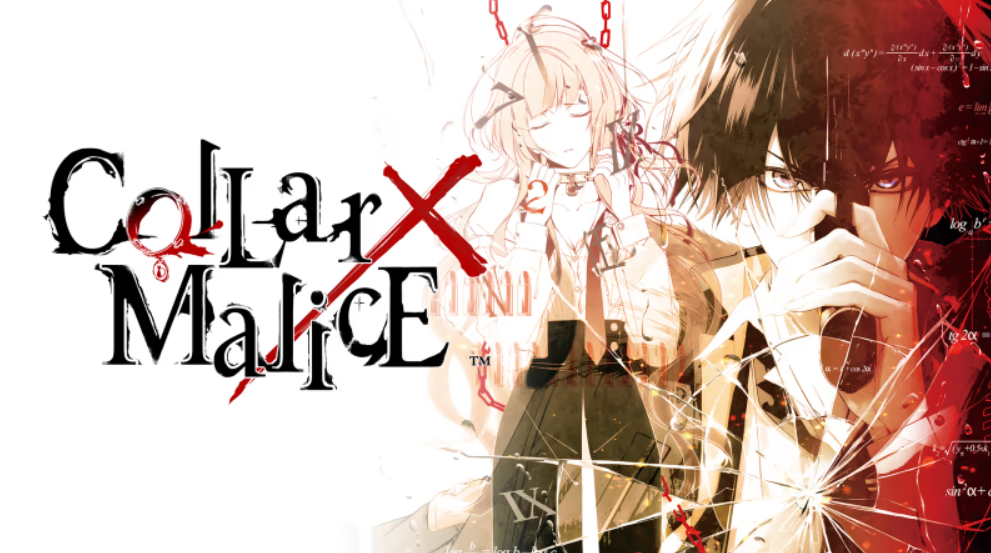
Collar x Malice is a serious crime drama where the MC, a rookie officer, teams up with a group of former police officers to solve a terrorist plot before it happens, and hopefully save her own life in the process. Terrorist organization ADONIS has the entire town of Shinjuku on lockdown, and has its sights on the MC by fitting her with a poisonous collar that can end her life at any moment. This game is fairly violent and has a timing based shooting mini-game. This first otome game I ever played through was Collar x Malice and I cannot recommend it enough. I believe it’s an amazing crime drama, story, and game that anyone can enjoy, regardless of gender.

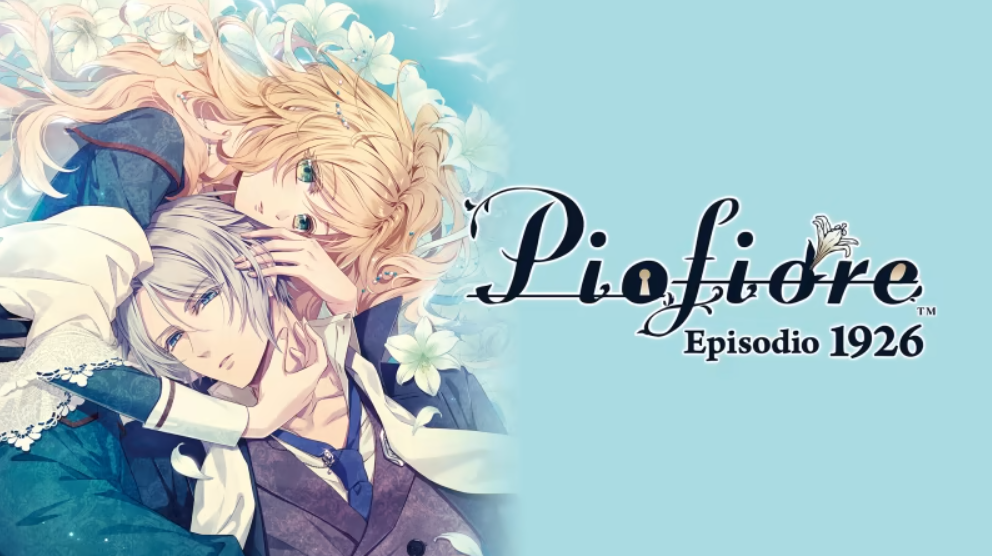
Piofiore: Fated Memories is historical fiction set in the fictional mafia-controlled Italian city of Burlone. The MC is an orphan living a peaceful life in the town church, taking care of other orphaned children. Little does she know that she is the key to a conspiracy that goes back thousands of years to the very founding of the town. She is thrust into the arms of the mafia, but is it truly for her own protection? This game gets violent. Really violent. It does not shy away from the realities of organized crime but I believe that’s also its strength. “Fated Memories” is the first game while “Episodio 1926” is the sequel.
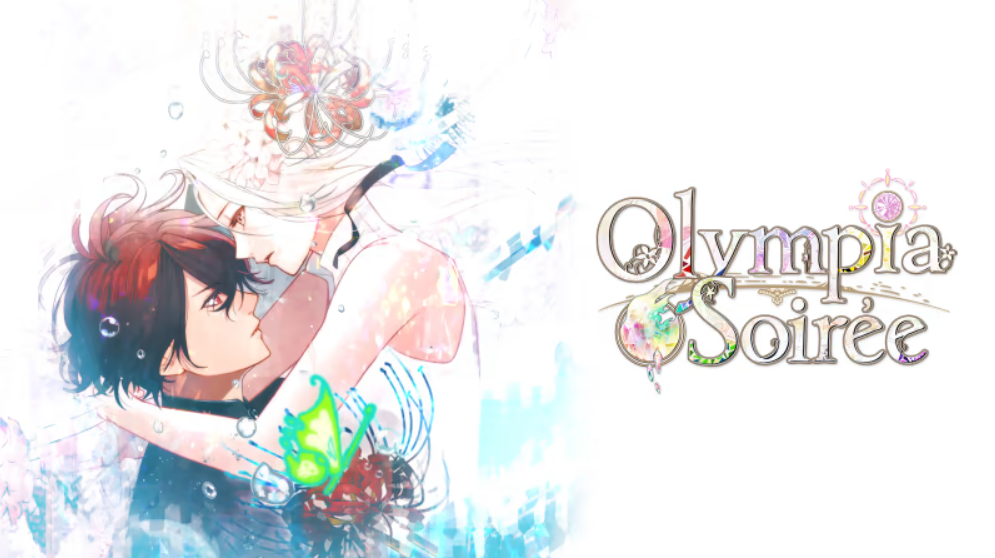
Olympia Soirée is a steamy romance inspired by Japanese mythology. Olympia is the last of the “white” class in a world divided by color class. The women of the white are tasked with worshiping Amaterasu and keeping the sun shining. As the last of her color, she’s told she must find a husband to start a family of her own within one year, as the fate of the sun rests on her shoulders. This game tackles a lot of serious topics including sexual assault, racial allegories, sexism, and discrimination. It doesn’t always tackle these topics with a lot of grace, so please heed the content warnings for this title. Olympia Soirée also gets the closest to being R-18 that I’ve seen in a Switch title so far. This game is romantic, steamy, with absolutely gorgeous art.
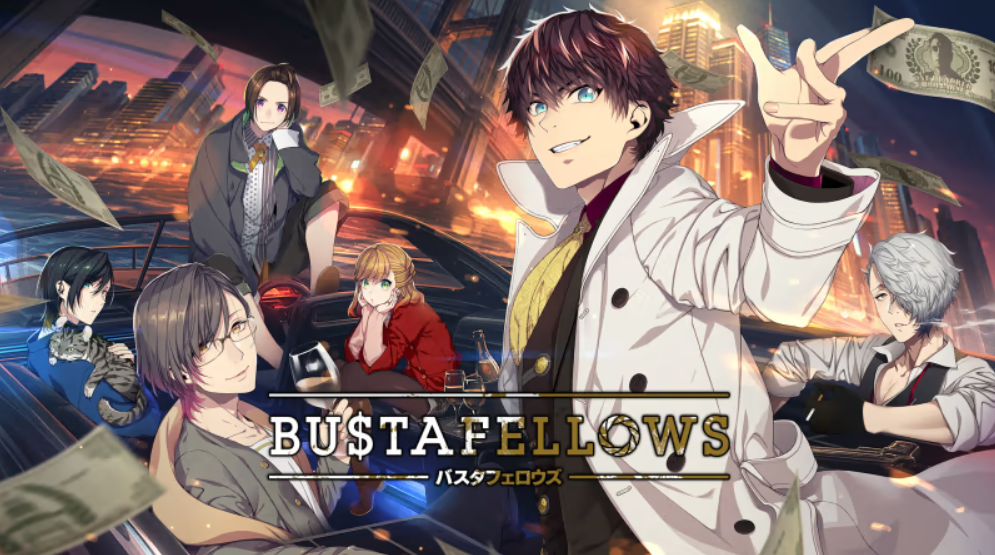
Bustafellows is an incredibly stylish drama set in the fictional city of New Sieg, USA. The MC is an up and coming freelance journalist with a strong sense of justice and determined personality. She possesses the power to jump back in time for short periods of time but will end up in someone else’s body. She’s also voiced! Our hero ends up teaming up with a team of less-than squeaky clean men to uphold justice, save lives, and expose dangerous individuals. The LI routes in this game are only loosely connected, but there’s also a super strong common route to enjoy beforehand. The LI routes are shorter in this game but excellently written! Plus, this is the only one on my list available on Steam.

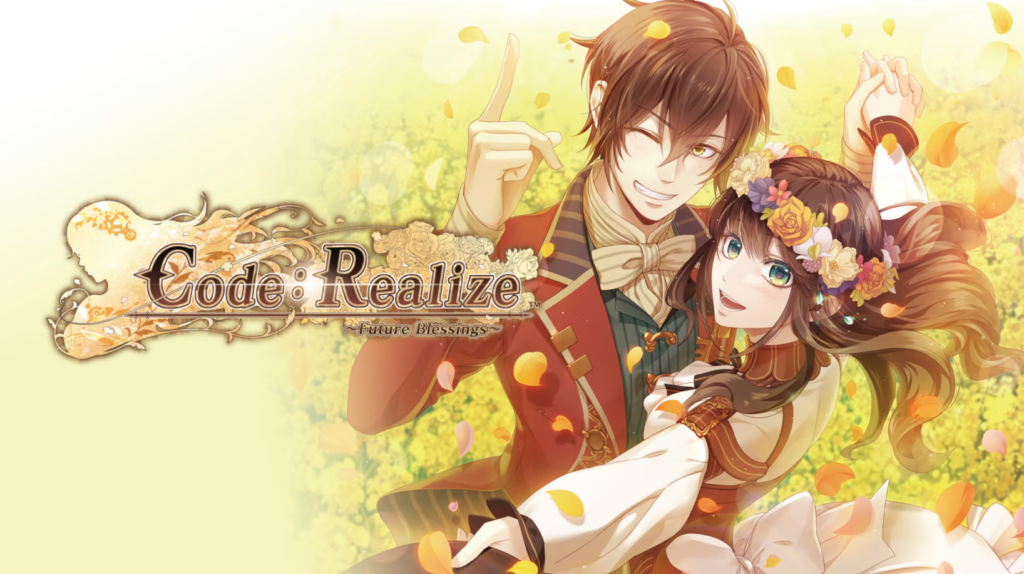
Code:Realize is one of the most popular otome games that has been brought to the west. Set in a fantasy steampunk “Steel” London, our MC is a girl with a corrosive, poisonous body. She has been left in a decrepit mansion by her father that she only has faint memories of. She is unable to touch anyone or anything with her bare skin without it immediately melting and is deemed a monster by the townspeople around her. An unexpected rescuer comes to her aid and brings her into the world around her where she will discover the truth about herself and find love. All of the LIs in this game are reimagined literary characters, adding a fun twist to the setting. This title also has TWO fandiscs to enjoy afterwards!

Leave a Reply